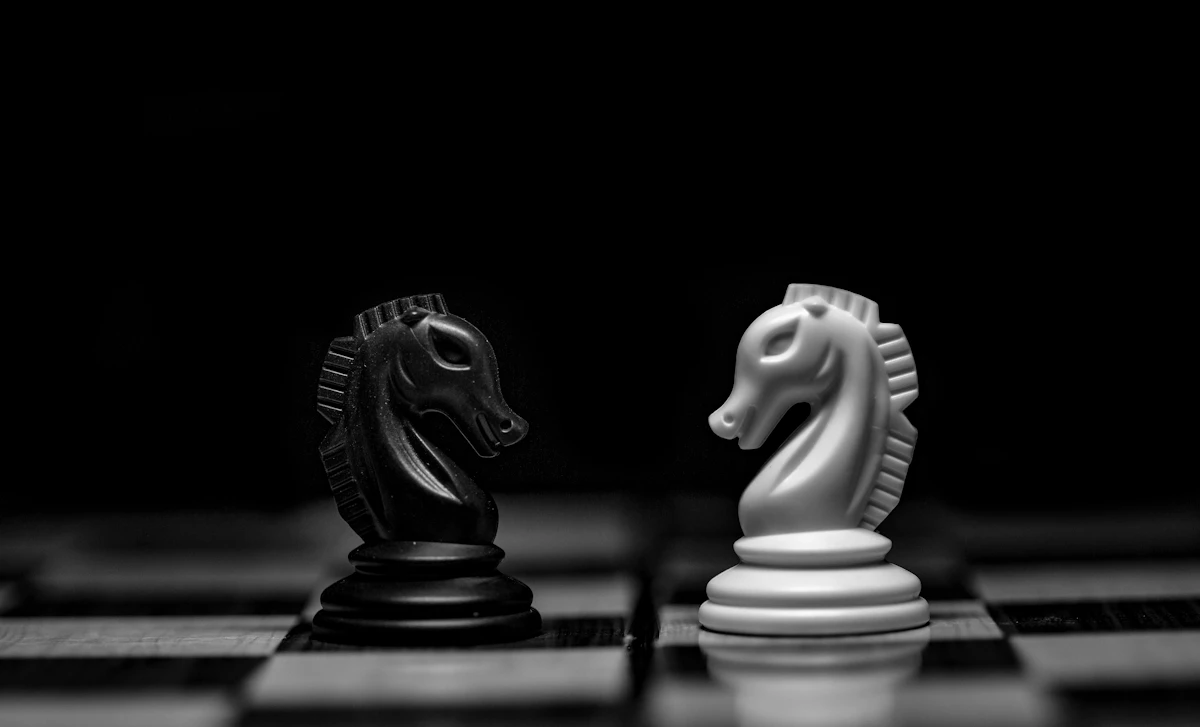
You just hung a knight. Again. Your opponent played a simple fork and you walked right into it — even though you've seen that exact pattern in puzzles before.
Why does this keep happening? Because seeing a pattern once isn't enough. Your brain needs repetition to turn knowledge into reflex. And the most efficient way to build that reflex is a daily puzzle habit.
Why Daily Matters More Than Volume
Research on skill acquisition shows a clear pattern: spaced practice beats massed practice. Solving 10 puzzles a day for 30 days produces better results than solving 300 puzzles in a single weekend.
Here's why:
- Sleep consolidates patterns. Each night, your brain processes the patterns you saw that day. Daily practice gives your brain fresh material to consolidate every single night.
- Consistency builds reflexes. Tactical vision isn't about thinking harder — it's about recognizing patterns instantly. That requires hundreds of exposures spread over time.
- Short sessions maintain focus. After 15-20 minutes of intense puzzle solving, your accuracy drops. Better to stop fresh and come back tomorrow.
What to Practice
Not all puzzle practice is equal. Here's how to structure your 15 minutes:
Start with today's Daily Puzzle
Our daily puzzle is selected at an intermediate difficulty — challenging enough to make you think, not so hard that you stare at the board for 10 minutes. It's the perfect warm-up.
Then do 5-10 quick puzzles
Switch to unlimited practice mode and solve at your comfort level. The goal here isn't to get every puzzle right — it's to practice the process:
- Scan for checks, captures, and threats
- Calculate the forcing sequence
- Verify your answer before playing
Review what you got wrong
This is the step most people skip. When you miss a puzzle, don't just click "next." Ask yourself:
- What pattern was I supposed to see?
- Did I miss a check? A capture? A defensive resource?
- Have I seen this pattern before?
That 30 seconds of reflection after a mistake is worth more than 5 puzzles solved on autopilot.
Building the Habit
The hardest part isn't solving puzzles — it's remembering to do it every day. Here are three strategies that work:
- Stack it. Attach puzzle-solving to something you already do daily. Morning coffee? Puzzles. Commute? Puzzles. Before bed? Puzzles.
- Start embarrassingly small. Commit to exactly one puzzle per day. Once the habit is automatic, volume takes care of itself.
- Track your streak. Missing one day isn't a failure. Missing two in a row is the danger zone. Keep your streak alive.
What to Expect
After 30 days of daily puzzles, most players report:
- Seeing basic tactics (forks, pins, skewers) almost instantly in their games
- Fewer blunders per game
- More confidence in calculating forced sequences
- A noticeable rating increase (typically 50-100 Elo)
After 90 days, the improvement is dramatic. Patterns that used to take you 30 seconds to spot now jump out in 2-3 seconds. That speed advantage compounds across an entire game.
Ready? Solve today's puzzle — it takes 2 minutes. That's your day one.