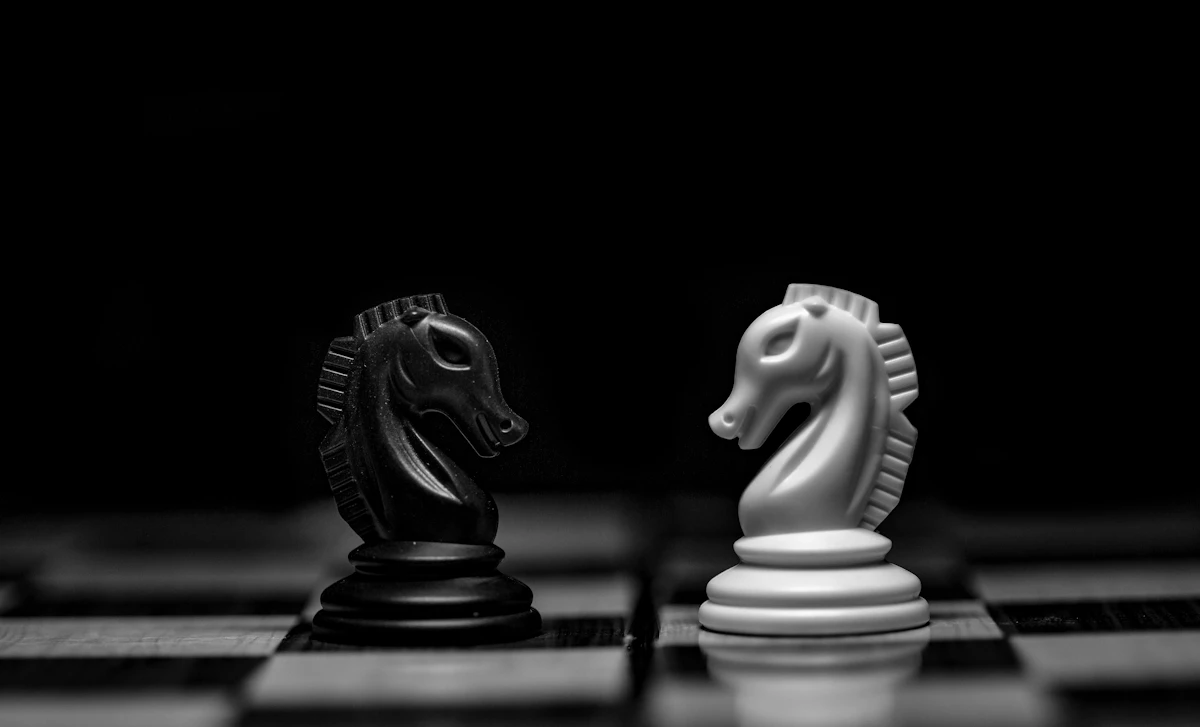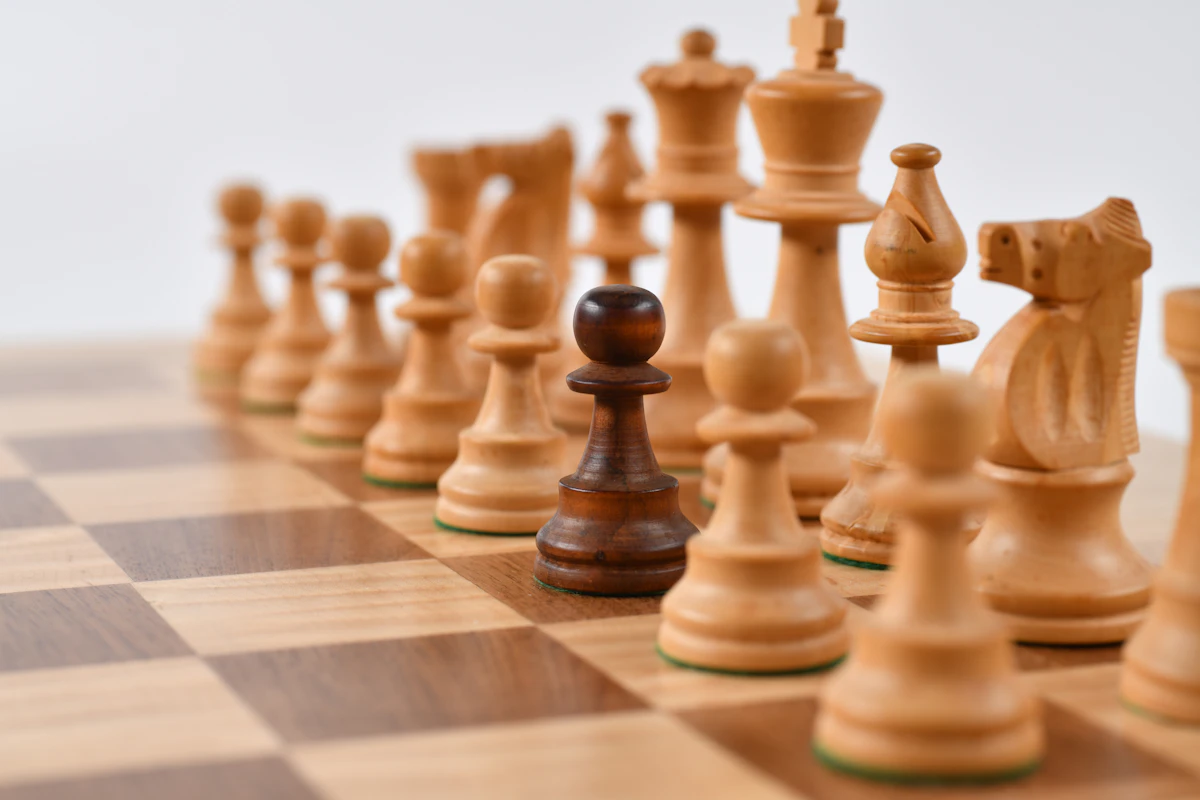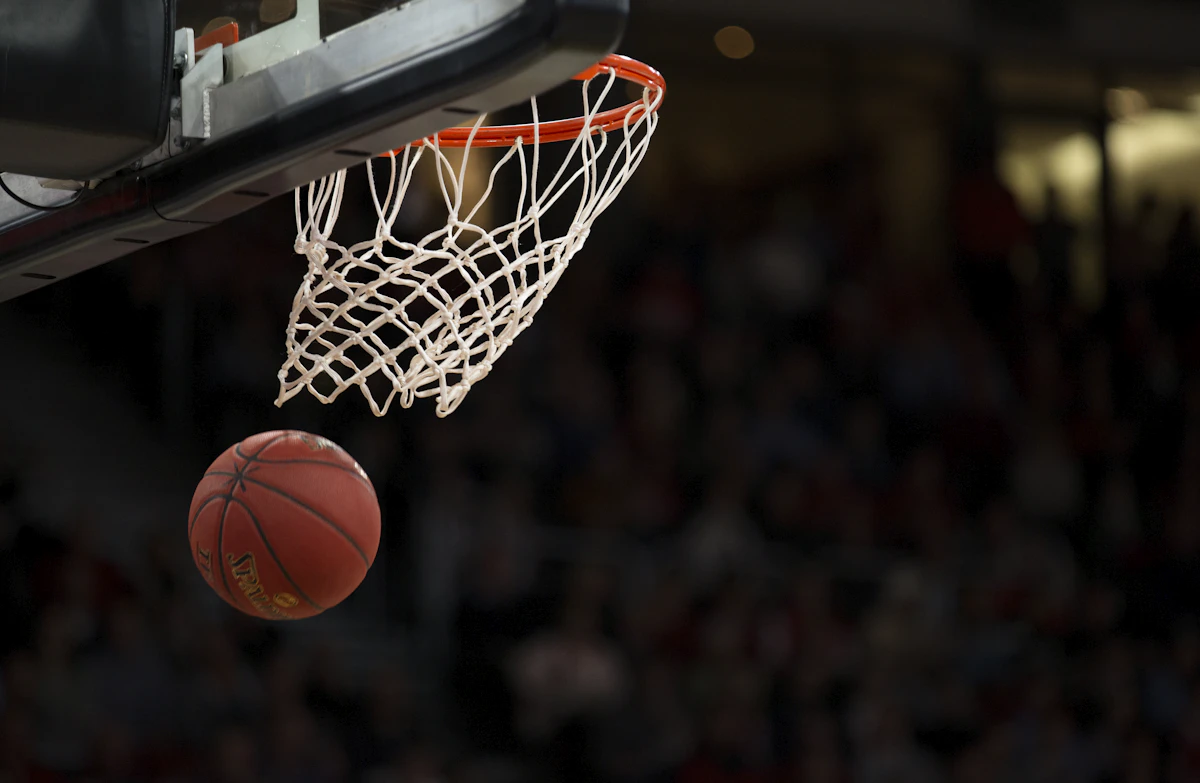
There's something striking about a 6'8" athlete — someone who can dunk with effortless authority — sitting in silence over a chessboard. And yet this scene has repeated itself in NBA locker rooms for decades. Chess isn't a quirky hobby for a handful of players. It's a widespread, deliberate practice, deeply connected to what separates good players from great ones.
The Players Who Play
The list is long and impressive. Bill Russell, widely considered the greatest defensive player in NBA history, played chess throughout his years with the Celtics in the 1960s. He saw it as a direct mirror of basketball: anticipating your opponent's moves, sacrificing a position to gain a better one.
Magic Johnson was known for playing chess on team flights between games. His legendary vision — the ability to see three passes ahead — was inseparable from his chess practice.
More recently, Josh Richardson has spoken about chess as a core part of his mental preparation. Jalen Brunson, point guard for the New York Knicks, plays regularly. And LeBron James has been photographed at a chessboard on multiple occasions, including during the Finals.
Even on the coaching side: Phil Jackson, the legendary coach of the Bulls and Lakers dynasty years, incorporated visualization exercises strikingly similar to chess thinking into his methods.
Why the Best Keep Coming Back
It's no accident that it's often the best players who are drawn to chess. This isn't about killing time on long flights. It's a precise form of cognitive training.
Reading the Game
In basketball as in chess, the difference between an average player and a great one often comes down to one thing: seeing what others don't see yet. In chess, we call it calculating variations — the ability to think several moves ahead. In the NBA, we call it reading the game. It's the exact same skill.
Magic Johnson wasn't looking for the available pass — he was looking for the pass that would create a favorable situation two touches later. That's sequential thinking, exactly like calculating a five-move combination on a chessboard.
Handling Pressure
An NBA Finals game in the fourth quarter and a decisive chess tournament game share one defining characteristic: maximum pressure exposes the flaws in your thinking. Mistakes rarely come from a lack of technique — they come from a mind that panics, a calculation that gets rushed, a decision made too fast.
Chess trains exactly this calm under pressure. The discipline of sitting down, calculating carefully, not moving a piece until you've verified. That discipline transfers.
Patterns and Recognition
A great chess player doesn't calculate from scratch on every move — they recognize patterns. A pawn structure they've seen before, a familiar tactical configuration, a known endgame. Their brain has catalogued thousands of positions.
A great basketball player does exactly the same thing. They recognize defenses, rotations, and pick-and-roll situations before they fully develop. Chess training accelerates this pattern recognition in any domain.
In the Locker Room
This phenomenon hasn't faded with the modernization of the sport — if anything, it's grown. The Golden State Warriors had a genuine chess culture in their locker room during their dynasty years. The Miami Heat, under Erik Spoelstra, similarly.
It's no coincidence that these franchises — known for their sophisticated team play, complex systems, and tactical consistency — are also the ones where chess is most deeply embedded.
What This Says About Chess
The presence of chess in the world of basketball says something important about the game itself. Chess is not a parlor game for sedentary intellectuals. It's a universal cognitive training tool — applicable to any domain where quick decisions, reading your opponent, and performing under pressure matter.
If you want to train like the pros, you know what to do. Start with the daily puzzle — 15 minutes that change the way you think, on and off the court.